
Lifestyle
This page is for lifestyle management, such as diet, exercise, breathing, earthing/grounding, hydrating, etc. Practices we can include in our daily lives to impact our health for the better. The page is only just springing to life. Topics will be found in alphabetical order. I am starting with Earthing/Grounding.

This page is a work in progress. As I put together information on various areas of lifestyle health habits, such as exercise, diet, hydration, etc., I will add them in alphabetical order here. I am starting with the fascinating and important topic of earthing/grounding!
Click above to view my live Webinar from March 8, 2025, moving through the information here.
Earthing/Grounding
Earthing, also known as grounding, refers to the practice of connecting with the Earth's electrical energy by walking barefoot on natural surfaces or using grounding devices. Proponents believe that this connection can help reduce inflammation, improve sleep, and enhance overall well-being by stabilizing the body's electrical environment. While scientific research is still emerging, many individuals report feeling more relaxed and rejuvenated after grounding practices. Incorporating earthing into your daily routine may offer a simple way to reconnect with nature and promote a healthier lifestyle.
Modern life has disrupted the grounding connection between humans and the earth through various factors, particularly the use of synthetic materials in everyday items like shoes. These synthetic soles prevent the natural conduction of energy and electrons from the earth, which are believed to have health benefits. This lack of direct contact with the ground can disrupt our body's natural rhythms and may contribute to increased stress and inflammation. Reconnecting physically with the earth, whether through barefoot or natural materials, may help restore these vital connections.
Grounding – The universal anti-inflammatory remedy
Stephen T Sinatra a,1, Drew S Sinatra b, Stephen W Sinatra c,∗, Gaetan Chevalier d
-
Author information
-
Article notes
-
Copyright and License information
PMCID: PMC10105021 PMID: 36528336
Abstract
"Grounding or earthing could be the anti-inflammatory antidote for modern man. It is one of the greatest kept secrets when it comes to our health and aliveness and only a small part of the scientific community really understands the concept. Once health professionals and others realize that grounding is especially important in preventing inflammatory illness, an incredible effect on public health will be realized. The breath of validation from previous published data and real-life testimonials is a testimony of the earth's dramatic impact on healing the human body."

The Earth's Magnetic Field
The Earth's magnetic field is a protective force generated by the movement of molten iron in its outer core. Acting like a giant magnet, it extends from the Earth's interior into space, shielding the planet from solar radiation and cosmic particles. This field plays a crucial role in navigation, animal migration, and even biological processes, influencing circadian rhythms and cellular function. It also interacts with the atmosphere to create natural phenomena like the auroras.
For all of you NERDS out there! Distinction & Differences - earth's magnetic & geomagnetic fields:
The geomagnetic field is fundamentally dependent on the Earth’s magnetic field because it originates from the planet’s internal magnetic forces. The Earth's core dynamo effect—created by the movement of molten iron in the outer core—generates the primary magnetic field. This core-driven field extends outward and interacts with external influences, such as the solar wind and cosmic radiation, forming the geomagnetic field.
In short:
-
The Earth’s magnetic field is generated internally by the planet.
-
The geomagnetic field is the larger, external manifestation of that magnetic field, shaped by interactions with space.
Without the Earth's internal magnetic field, the geomagnetic field—and its protective magnetosphere—wouldn't exist. Both influence biological life, with the geomagnetic field particularly affecting circadian rhythms, brain activity, and possibly mitochondrial function due to its interaction with electromagnetic waves like the Schumann resonances (natural electromagnetic frequencies in the atmosphere). It is, therefore, the geomagnetic field we are connecting with when we practice grounding techniques.
Schumann resonances are low-frequency electromagnetic waves that occur in the Earth’s atmosphere, specifically in the cavity between the Earth's surface and the ionosphere. These waves are generated by lightning strikes and resonate at frequencies around 7.83 Hz (the fundamental frequency), with higher harmonics.
These natural electromagnetic frequencies are believed to synchronize with brain wave activity, influencing circadian rhythms, sleep, and overall biological function. Some researchers suggest they may play a role in cellular communication, mitochondrial efficiency, and overall well-being.
Since grounding connects the body to the Earth's surface charge, it may also enhance the body's natural resonance with these frequencies.

Grounding and the Wondrous Mitochondrial Root of Health!


Grounding, or earthing—direct contact with the Earth's surface through bare feet or conductive grounding mats—allows free electrons from the Earth to enter the body. These electrons act as powerful antioxidants, neutralizing excess free radicals that cause oxidative stress and mitochondrial dysfunction.
Mitochondria, the energy powerhouses of cells, generate ATP (adenosine triphosphate) through the electron transport chain (ETC), a process dependent on the flow of electrons. When oxidative stress is high, mitochondrial efficiency declines due to electron leakage and increased reactive oxygen species (ROS) production. Grounding provides a natural influx of electrons, helping to:
-
Reduce oxidative stress by neutralizing free radicals, preserving mitochondrial integrity.
-
Enhance ATP production by maintaining an efficient flow of electrons in the ETC.
-
Support cellular repair by lowering inflammation and improving redox balance.
-
Improve blood flow by reducing blood viscosity, optimizing oxygen and nutrient delivery to mitochondria.
By mitigating oxidative damage and optimizing mitochondrial function, grounding supports overall energy production, cellular longevity, and systemic health.
Integrative and lifestyle medicine strategies should include Earthing (grounding): Review of research evidence and clinical observations
"Earthing (also known as grounding) refers to the discovery that bodily contact with the Earth's natural electric charge stabilizes the physiology at the deepest levels, reduces inflammation, pain, and stress, improves blood flow, energy, and sleep, and generates greater well-being. Such effects are profound, systemic, and foundational, and often develop rapidly. Earthing is as simple as routinely walking barefoot outdoors and/or using inexpensive grounding systems indoors while sleeping or sitting, practices that restore a lost and needed electric connection with the Earth. Some 20 studies to date have reported intriguing evidence of wide and significant physiological improvements when the body is grounded vs. non-grounded. The research, along with numerous anecdotal reports, demonstrates that Earthing clearly deserves inclusion in the clinical practice of preventive, alternative, and lifestyle medicine and has great potential to render these approaches more effective."
Earthing/Grounding & Specific Areas of Health
Grounding (earthing) has been associated with improvements in several key areas of health, primarily due to its ability to reduce inflammation, improve circulation, and balance the autonomic nervous system. Research and anecdotal evidence suggest benefits in the following areas:

1. Inflammation & Pain Reduction
-
Decreases chronic inflammation by neutralizing excess free radicals
-
Reduces pain associated with arthritis, muscle soreness, and injuries
-
Helps with autoimmune-related pain (e.g., multiple sclerosis, lupus)
2. Improved Circulation & Cardiovascular Health
-
Lowers blood viscosity, reducing the risk of clotting and stroke
-
Enhances microcirculation, improving oxygen and nutrient delivery to tissues
-
Regulates heart rate variability, supporting autonomic nervous system balance


3. Enhanced Sleep & Circadian Rhythm Regulation
-
Synchronizes the body with natural Schumann resonance, promoting deeper sleep
-
Lowers nighttime cortisol levels, reducing stress-related sleep disturbances
-
Increases melatonin production, improving sleep quality
4. Stress Reduction & Nervous System Regulation
-
Shifts the body from sympathetic (fight-or-flight) dominance to parasympathetic (rest-and-digest) mode
-
Lowers cortisol levels and reduces physiological stress responses
-
Promotes relaxation and mental clarity


5. Mitochondrial Function & Energy Production
-
Supports ATP production by reducing oxidative stress in mitochondria
-
Enhances electron transport chain efficiency, leading to greater cellular energy
-
Reduces fatigue and improves overall vitality
6. Immune System Support
-
Lowers inflammatory cytokines associated with chronic illness
-
Enhances immune response by optimizing cellular function
-
May help with autoimmune regulation by reducing overactive immune responses


7. Hormonal Balance
-
Regulates cortisol and stress-related hormones
-
Supports reproductive hormone balance by reducing systemic inflammation
8. Wound Healing & Tissue Regeneration
-
Speeds up wound healing by improving circulation and reducing inflammation
-
Aids in post-surgical recovery and injury healing


9. Neurological & Cognitive Function
-
Supports brain wave synchronization with natural electromagnetic rhythms
-
Reduces symptoms of anxiety, depression, and PTSD through nervous system regulation
-
Enhances focus, memory, and cognitive function
10. Blood Sugar & Metabolic Health
-
May improve insulin sensitivity by reducing inflammation
-
Supports metabolic function, potentially benefiting those with diabetes

In Summary: Incorporating grounding into daily life—such as walking barefoot on natural surfaces, using grounding mats, or sleeping grounded—may offer profound health benefits, particularly for individuals with chronic conditions linked to inflammation and oxidative stress.
Some Earthing/Grounding Resources


INDEX (to be added to as I build the page!)
Click above for some grounding product ideas - I am sure you can find many more options "out there."

What Materials are Conductive? - Click above - this is very informative and helpful
Living Well to Age Well - The Series

Living Well to Age Well
Strength. Vitality. Independence.
Aging is inevitable. Frailty is not.
Living Well to Age Well is an ongoing educational series dedicated to helping individuals preserve strength, mobility, vitality, and independence throughout life. While many of the changes commonly associated with aging are often accepted as unavoidable, research continues to demonstrate that daily habits have a profound influence on how well the body functions over time.
This series explores practical, evidence-based strategies that support healthy aging, including nutrition, exercise, sleep, stress management, longevity research, and lifestyle habits observed in some of the world's longest-lived populations.
Topics include:
• Sarcopenia (age-related muscle loss) and how to prevent it
• Building and maintaining strength through nutrition and exercise
• Protein requirements for healthy aging
• Balance, mobility, and fall prevention
• Blue Zone longevity principles
• Metabolic health and healthy weight management
• Sleep and recovery
• Stress management and resilience
• Purpose, community, and spiritual well-being
• Strategic foods and nutritional approaches that support lifelong health
This series is not just for older adults!The foundations of healthy aging begin long before retirement, making these principles valuable for adults of all ages.
The goal is simple: to provide practical tools and knowledge that help support a stronger, healthier, more vibrant future—one day, one habit, and one choice at a time.


Session 1: Sarcopenia – Why Strength Matters
Most people are familiar with the visible signs of aging, but few realize that age-related muscle loss—known as sarcopenia—often begins decades before its effects become obvious. Over time, declining muscle mass and strength can contribute to reduced mobility, increased risk of falls, loss of independence, and a diminished quality of life.
In this foundational session of the Living Well to Age Well series, we explore what sarcopenia is, when it begins, why it matters, and what can be done to maintain strength and vitality throughout life.
Topics include:
• What sarcopenia is and how it develops
• Why muscle is essential for strength, balance, mobility, and metabolic health
• The connection between muscle loss, falls, frailty, and loss of independence
• How muscles are continually being rebuilt or broken down based on daily habits
• Why age-related decline is not entirely inevitable
• The two key pillars of healthy aging: nutrition and exercise
• The importance of consistency and daily habits
This session also introduces the broader themes that will be explored throughout the series, including nutrition, strength training, Blue Zone longevity principles, sleep, stress management, purpose, community, and other lifestyle factors that contribute to healthy aging.
The encouraging message is simple: healthy aging does not require perfection, extreme measures, or complicated routines. Understanding how the body works and consistently supporting it with good habits can have a profound impact on future health, strength, and independence.
Living Well to Age Well
Strength. Vitality. Independence.


Session 2: Essential Exercises for Strength, Vitality, and Independence
In this session of the Living Well to Age Well series, I highlight and provide instruction on key exercises that can be easily incorporated into daily life to help preserve strength, balance, stability, flexibility, mobility, and independence as we age.
While walking remains one of the most beneficial activities we can engage in, maintaining lifelong function requires a broader approach. Together, we'll explore simple yet highly effective exercises designed to support everyday activities such as rising from a chair, climbing stairs, reaching overhead, maintaining balance, and reducing fall risk.
These exercises require little or no equipment, can be adapted to a variety of fitness levels, and are intended to help you build confidence while maintaining the physical abilities that contribute to an active, independent lifestyle.
The goal is not perfection, but consistent progress.
Whether you're already in your senior years or simply planning ahead for the future, these practical exercises can help you build and maintain the strength, vitality, and independence needed to continue enjoying life to its fullest.
Click above to view on YouTube; click HERE to watch on Rumble.

Click above for access to the presentation slides in pdf format - view and/or download - key exercises detailed here.


Session 3: Foods that Nourish the Muscles We Need to Age Well
Did you know that muscle loss is not an inevitable part of aging — and that the right foods can actually slow, stop, or even reverse this process? Sarcopenia, the gradual decline in muscle mass and strength, affects nearly every older adult, yet research shows it can be powerfully influenced by daily nutrition choices. As highlighted in the presentation, “Muscle loss is common but preventable… Nutrition is a powerful tool for slowing or reversing sarcopenia.”
In this session of Living Well to Age Well, we explore why aging muscles become less responsive to protein, how chronic inflammation and vitamin D deficiency accelerate weakness, and why long gaps without protein lead to increased muscle breakdown. You’ll discover why seniors benefit from spreading protein evenly throughout the day — “20–30 grams at each meal… to maximize muscle protein synthesis and prevent long gaps where muscle breakdown can occur.”
We also dive into ten evidence‑based foods that nourish muscle tissue, from leucine‑rich Greek yogurt and omega‑3–packed salmon to sulfur‑containing cottage cheese, fiber‑dense lentils, and energy‑steadying sweet potatoes. You’ll learn how quinoa pairs with legumes to create complete plant proteins, why nuts and seeds offer a surprising protein boost, and why real dairy milk provides superior nutrient absorption compared with fortified plant alternatives.
Beyond food, this session highlights hydration’s essential role in muscle contraction and nutrient delivery, and explains how gentle, moist‑heat cooking methods help reduce harmful AGEs that accelerate aging. Together, these insights form a practical, empowering roadmap for staying strong, balanced, and metabolically resilient as the years go by.
If you’re ready to age well with confidence, strength, and vitality, this session offers the science, the strategy, and the everyday tools to make it happen.
Click above to view on YouTube or Here for Rumble

Click above to view/download the presentation slides in PDF format


Session 4 - The Science and Lifestyle of Healthy Aging
The Blue Zones have become synonymous with exceptional longevity, but what truly makes these communities so remarkable?
In this session, the seven Blue Zones are introduced, along with the characteristics that distinguish them as regions of extraordinary health and longevity. We explore the lifestyle habits these populations share, examine the science supporting their reputation, and address several common misconceptions—particularly regarding diet.
Rather than searching for a single "secret" to a long life, this session highlights how nutrition, movement, relationships, purpose, stress management, and other healthy lifestyle practices work together over decades to promote healthspan as well as lifespan.
This introductory overview lays the foundation for the next session, which will focus on the traditional foods and eating habits of the Blue Zones and the remarkable nutritional science hidden within many of nature's simplest foods.

Click above to view on YouTube, or HERE for Rumble.
Click above to view/download the entire presentation as pdf

Session 5 - The Nutritional Magic of Culinary Chemistry!
Healthy aging isn't simply about eating "healthy." It's about consistently providing our bodies with the nutrients they need to remain strong, resilient, and vibrant through the years.
In this fifth session of the Living Well to Age Well series, we move beyond general nutrition advice to explore the remarkable foods that deserve a permanent place in every longevity kitchen.
Discover why foods such as eggs, Greek yogurt, lentils, salmon, sardines, leafy greens, olive oil, sweet potatoes, mushrooms, fermented foods, nuts, and many others provide the building blocks our bodies depend upon to maintain muscle, protect healthy cells, support the gut microbiome, and promote vitality as we age.
You'll also learn about the essential nutrients these foods provide—including protein, leucine, omega-3 fats, fiber, folate, magnesium, choline, and polyphenols—and why each plays an important role in healthy aging. Along the way, we'll uncover the nutritional magic of culinary chemistry: the fascinating ways certain foods work together to improve nutrient absorption and maximize their health benefits.
Rather than presenting another diet to follow, this session offers practical, science-based guidance that you can begin applying immediately. You'll come away with a new appreciation for the foods already available in your local grocery store and practical ideas for gradually transforming your pantry into a "longevity kitchen" filled with ingredients that naturally support strength, resilience, and lifelong health.
Healthy aging doesn't happen by accident. When we understand what our bodies need—and consistently provide those building blocks—we give ourselves the very best opportunity to live well while aging well.
Click above to view on YouTube, or HERE for Rumble

Click above for the entire presentation slides on pdf


Session #6 – Can We Really Slow Down Aging? It's a Stretch!
Stretching is one of the most overlooked components of healthy aging, yet it plays an essential role in preserving the body's remarkable connective tissue system. In this session, we move beyond the traditional view of stretching as simply improving flexibility and explore the fascinating science of fascia, collagen, tendons, ligaments, and the extracellular matrix—the living framework that supports every movement we make.
Learn how these tissues naturally change with age, why inactivity accelerates stiffness and loss of mobility, and how regular stretching helps maintain healthy movement, posture, balance, and overall function. The session concludes with practical instruction on safe, effective stretches for the key muscle groups that support comfortable movement and lifelong independence.
Whether you're just beginning a stretching routine or looking to better understand the science behind it, this presentation offers practical guidance for preserving the remarkable body you've been given.

Click above to view on YouTube or HERE to view on Rumble
Click above to view/download the presentation slides in their entirety as pdf


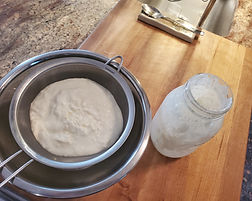


Session #7 – Beck’s Kitchen Staples: Some Recipes ’n Tips
The Living Well to Age Well series concludes in the kitchen, where so many of the everyday choices that influence our long-term health actually happen.
In this final session, Rebecca shares some of the foods she regularly makes and keeps on hand in her own kitchen, along with practical preparation tips, recipes, and an explanation of the nutritional benefits that make these foods particularly valuable as we age.
Explore simple ways to provide the body with more of the nutritional building blocks it needs—including high-quality protein, fiber, collagen-building nutrients, healthy fats, phytonutrients, minerals, and beneficial microbes. Topics include bone broth and collagen, Greek yogurt and muscle-supporting leucine, kefir and microbial diversity, homemade goat cheese, traditional sourdough fermentation, tomatoes cooked in extra-virgin olive oil and garlic, beet kvass, and more.
More than a collection of recipes, Beck’s Kitchen Staples demonstrates how simple, traditional, nutrient-dense foods can become part of an everyday approach to healthy aging.
Watch the video, browse or download the presentation slides, try some of the recipes—and discover just how much good nutrition can begin right in your own kitchen.
Growing older is inevitable. How we grow older is something we can influence enormously.

Click above to view on YouTube, or here for Rumble
To view the slides click above for the downloadable pdf
