
Nutrients

"Nutrients are the microscopic maestros conducting the grand symphony of life — without them, the music falters, and the body forgets the tune." 🎼🔬💫

This page is a work in progress, so keep coming back. I will list by name in alphabetical order but only as I go in things I am personally involved with and adding as I go. For example, I might be working with someone using inositol and want to build that topic here on the site, and I will do so. It isn't that it is more important than any other nutrient but happens to be what I have time and interest to put up here on the website. In any case, I hope you find this information beneficial!
Use the handy "floating index" to the right to see what's up and magically get there without having to look through the entire page, which will get very, very long... eventually!
🌱 Missing Links: Where Diet Falls Short
Whenever I work with a new client, I find myself recommending the same core nutritional supplements over and over again. Very often, I’m asked:
“Do I really need to take all these pills?”
“Can’t I just get what I need from food?”
The truth is, even with the healthiest diet, certain key nutrients simply aren’t available in optimal amounts from food alone. Others become especially important as we age, when hormone levels shift and our cells’ energy production slows down.
In this presentation, I highlight the foundational “missing links” that I consider non-negotiable for building long-term health:
✨ Iodine – thyroid, metabolism, energy balance
✨ Selenium - for balancing and working syngeristically with iodine
✨ Magnesium – hundreds of enzymatic reactions, relaxation, resilience
✨ Active B vitamins – energy, brain, detoxification support
✨ Nutritional lithium – helps folate & B12 actually reach your cells
✨ Vitamin D3 + K2 – bones, cardiovascular system, immunity
These are my short list of non-negotiables—the “pills” that can fill in the gaps and help you complete your own health puzzle. 🧩
Click left to view my informational webinar from August 30, 2025.
Click HERE to view on Rumble, if you prefer.
Click the picture to the right to access the entire presentation. View, download, share.
There are various links throughout, to extra information.
Enjoy!

BORON
- The element Boron is denoted by the symbol "B" and has an atomic number of 5.
- It plays a crucial role in various industrial applications and also has relevance in biology.
- It is a metalloid, meaning it has properties intermediate between metals and non-metals.
Surprising Health Benefits of Boron
1. Speeds up wound healing
2. Improves gum & teeth health
3. Prevents vitamin D deficiency
4. Reduces inflammation
5. Balances hormones
6. Increases bone strength
7. Helps with arthritis
8. Prostate health
Up-regulatory impact of boron on vitamin D function -- does it reflect inhibition of 24-hydroxylase?
See my webinar on Boron and Inositol - November 10, 2024
CoEnzyme Q10

Glycine

View my Webinar on Glycine from February 10, 2024.
For my informational newsletter that goes with it, go HERE!

Glycine: A Natural Sleep Aid Without Side Effects
Glycine is a safe, effective, and natural sleep-enhancing amino acid that works by lowering core body temperature, increasing serotonin, promoting deep sleep, and calming the nervous system. Whether used alone or combined with other sleep-promoting nutrients, glycine is an excellent tool for improving sleep quality and reducing stress-related insomnia.
Glycine for Insomnia: How It Supports Better Sleep
Inositol
Inositol is a form of sugar found in your body, in some foods and as a supplement. Your body needs inositol for the development and growth of cells. But research suggests that inositol may have many potential health benefits. People use it for metabolic syndrome and polycystic ovary syndrome (PCOS), among other health conditions.
See my webinar on Boron and Inositol - November 10, 2024


🌸 Myo-Inositol & Thyroid Health: Beyond Antibody Reduction
Yes, myo-inositol’s ability to reduce anti-TPO and anti-TG antibodies in Hashimoto’s is well-supported in clinical studies — but its benefits don’t stop there.
🔁 1. TSH Sensitivity & Thyroid Hormone Signaling
Myo-inositol is a crucial part of the TSH signaling pathway inside thyroid cells. It works through a second messenger system (phosphatidylinositol) that helps the thyroid respond efficiently to TSH stimulation.
✅ In subclinical hypothyroidism, studies show that myo-inositol (especially paired with selenium) can lower TSH levels and improve free T4 — without medication.
🔬 2. Thyroid Hormone Synthesis Support
Myo-inositol helps regulate the enzymes involved in iodide organification — the process by which iodine is incorporated into thyroid hormones. In other words, it helps the thyroid use iodine effectively, which is especially helpful in iodine repletion protocols (as you often do with Iodoral).
🛡️ 3. Autoimmunity Modulation
In addition to lowering antibodies:
-
Myo-inositol supports regulatory T-cell activity, helping to restore immune tolerance.
-
It reduces oxidative stress in thyroid tissue, which can prevent further autoimmune-driven destruction.
💁♀️ 4. Insulin Sensitivity & PCOS-Related Hypothyroidism
Since many women with Hashimoto’s also experience insulin resistance or PCOS, myo-inositol’s benefits for glucose metabolism and ovarian health further support thyroid function by lowering inflammation and hormonal disruption.
🌿 5. Mood, Sleep, and Nervous System Harmony
As a gentle serotonin and GABA pathway modulator, myo-inositol supports better mood, sleep, and stress resilience, which in turn:
-
Reduces stress-driven suppression of thyroid function
-
Helps address the anxiety/depression side of hypothyroidism
🧠 Summary:
Myo-inositol for thyroid health:
-
✅ Lowers anti-TPO and anti-TG antibodies
-
✅ Enhances TSH sensitivity and thyroid hormone production
-
✅ Reduces oxidative stress and supports immune balance
-
✅ Improves metabolic function and mood — key in whole-body thyroid support
Vitamin A
Vitamin A is essential for maintaining healthy vision, supporting immune function, and promoting skin health. It plays a crucial role in cell growth and development, helping to ensure that the body functions optimally. Additionally, vitamin A is important for reproductive health and may aid in the prevention of certain diseases. Incorporating vitamin A-rich foods into your diet can contribute significantly to overall well-being.
That's the short description, let's dig in for lots more, and, I'll bet, for many, surprising information! Also, I am convinced most people do not get enough vitamin A in the daily diet, and this can lead to health problems of many kinds.
Click above to view my webinar from 03/01/2025 presenting the info in this section.

But what about ...CARROTS?
Beta carotene is often mistakenly referred to as vitamin A, but it's important to understand that they are not the same. Beta carotene is a provitamin, meaning it is a precursor that the body can convert into vitamin A, but it does not possess the full range of functions that active vitamin A does. While it help maintain healthy vision and support immune function, its conversion efficiency varies among individuals, and excessive amounts do not replace the need for true vitamin A found in animal sources. Therefore, while beta carotene is beneficial, it should not be considered a substitute for actual vitamin A.

Molecular Hydrogen

Molecular hydrogen (H₂) has gained significant attention in the health and wellness space due to its potential therapeutic benefits. It acts as a selective antioxidant, anti inflammatory agent, and cellular modulator. Here are some key health benefits associated with molecular hydrogen:
Why Molecular Hydrogen Is a Superior Antioxidant - Dr Mercola - (this gives a good understanding of how to use it properly)

Vitamin A & Thyroid Health
Vitamin A plays a crucial role in maintaining the health of the male reproductive system. It is essential for the production of sperm and supports the function of the testes. Additionally, Vitamin A contributes to hormone regulation and the maturation of sperm cells, ensuring reproductive performance. Adequate levels of this vitamin can help promote fertility and overall reproductive health in men.


Vitamin A & the Measles
Vitamin A, particularly in the form of retinol and its ester, retinyl palmitate, plays a crucial role in immune function and has been extensively studied for its impact on measles outcomes.
More...
🥕The Curious Case of the Carrot Clue: When Skin Changes Reveal Deeper Health Patterns
In this fascinating case study, we explore the story of a young woman whose seemingly harmless yellow-orange discoloration around the mouth turned out to be far more than a cosmetic curiosity. While she had been told there was nothing wrong and that the area only appeared different because the surrounding skin was naturally red, a closer look revealed a clue that helped connect several seemingly unrelated health concerns.
Together, we examine the relationship between beta-carotene metabolism, vitamin A conversion, thyroid function, iron status, blood sugar regulation, and genetic variability. Why would a carrot make the discoloration more obvious? Why can some people accumulate carotene in the skin despite eating what appears to be a normal diet? And what can this visible sign tell us about underlying metabolic function?
This presentation discusses hypercarotenemia (carotenemia), the distinction between carotene accumulation and jaundice, the role of thyroid hormone and iron in converting beta-carotene into active vitamin A, and why sometimes the body leaves subtle clues that point us toward the true root of a problem.
As always, the goal is not simply to suppress symptoms, but to understand what the body is trying to communicate and to address the underlying factors that may be contributing to the picture.
Sometimes the shortest path to the root cause begins with following a carrot!
Click above to view on YouTube; Here for Rumble

Click above to see the slides!
Vitamin B5
Vitamin B5, also known as pantothenic acid, is a water-soluble vitamin essential for energy metabolism, hormone production, and overall cellular function. It is a critical component of coenzyme A (CoA), which plays a central role in the Krebs cycle, fatty acid synthesis and oxidation, and the synthesis of steroid hormones and neurotransmitters. The name "pantothenic" is derived from the Greek word pantothen, meaning "from everywhere," reflecting its wide distribution in foods, including meat, eggs, dairy, whole grains, and vegetables.
There are several forms of vitamin B5, each with distinct properties and uses:
-
Pantothenic Acid: The basic form of B5, commonly found in foods and supplements, though it is unstable and can degrade with processing.
-
Calcium Pantothenate: A more stable, salt form of pantothenic acid, often used in dietary supplements and fortified foods.
-
Sodium Pantothenate: Another salt form with similar stability advantages.
-
Pantethine: A biologically active derivative of pantothenic acid composed of two pantetheine molecules linked by a disulfide bond. Unlike basic pantothenic acid, pantethine has unique lipid-modulating effects and is primarily used to support cardiovascular health by lowering LDL cholesterol and triglycerides while increasing HDL.
-
Coenzyme A (CoA): While not a supplement form, this is the active coenzyme derived from pantothenic acid that is essential for metabolic processes in the body.
Pantothenic acid is widely recognized for its role in adrenal function, energy production, and lipid metabolism, while pantethine is distinguished by its potent effects on cholesterol and triglyceride regulation.

ACNE

Pantethine
-
Lipid Metabolism & Cardiovascular Health
-
Energy Production & Mitochondrial Function
-
Adrenal & Stress Support
-
Anti-Inflammatory & Antioxidant Effects
-
Liver Function & Detoxification
-
Neurological & Cognitive Support
-
Possible Role in Blood Sugar Regulation

LIPIDS

WEIGHT LOSS


Fatty Acid Metabolism Diagram
Coenzyme A (CoA) is a vital coenzyme involved in numerous biochemical reactions, particularly in energy metabolism and fatty acid synthesis. It plays a crucial role in the citric acid cycle (Krebs cycle) by facilitating the transfer of acetyl groups, forming acetyl-CoA, which is central to energy production. CoA is also essential for the synthesis and breakdown of fatty acids, cholesterol, and steroid hormones. It is derived from pantothenic acid (vitamin B5) and is necessary for various cellular functions, including detoxification and neurotransmitter synthesis.
On Saturday, March 15, 2025, I did my noon one-hour webinar covering the information on Pantethine found above. Check it out!

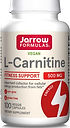
L-carnitine enhances the actions of pantethine. Follow dosing guidelines as I outline in the materials above and in the video.
Generally speaking, 1 capsule each twice daily. For weight loss, severe acne, larger lipid issues, can increase to 1 capsule 3 times daily.
VITAMIN K
Vitamin K is a fat-soluble vitamin that plays a crucial role in blood clotting and bone health. It exists in two main forms: K1, found in leafy greens, and K2, found in fermented foods and animal products. Adequate intake of Vitamin K supports cardiovascular health and helps maintain strong bones. Including a variety of Vitamin K-rich foods in your diet can contribute to overall well-being.

The Crucial Connection Between Vitamin K2, Calcium Metabolism and Disease Prevention
Analysis by Dr. Joseph Mercola
-
Vitamin K2 directs calcium into your bones instead of arteries, which helps keep them strong and reduces calcification that leads to heart disease
-
A recent Nutrients review revealed that higher K2 intake improved bone mineral density (BMD) and slashed fracture risk, particularly among older adults and postmenopausal women
-
Your apolipoprotein E (ApoE) genotype influences how your body processes vitamin K2. ApoE 2/2 individuals clear it slowly, risking buildup, while ApoE 3/4 or 4/4 clear it fast, requiring higher doses
-
MK-4, found in animal foods, has a short half-life; MK-7, from natto or supplements, lasts longer. Matching the correct form to your genetic profile helps ensure optimal calcium transport
-
To direct calcium where it belongs, balance vitamin K2 with D3, avoid vegetable oils, and get enough magnesium. This will help prevent arterial calcification while maintaining strong bones and reducing your fracture risk
Taurine
Taurine may be one of the most underappreciated nutrients in human health. While many people recognize the name from energy drinks, few realize that this naturally occurring amino acid-like compound is found in high concentrations throughout the heart, brain, muscles, retina, liver, and other tissues, where it serves as a vital regulator of cellular function.
In this webinar, we explore what taurine is, where it comes from, how the body produces it, and why researchers have become increasingly interested in its remarkable range of health benefits. We discuss taurine's role in cardiovascular health, blood pressure regulation, mitochondrial energy production, nervous system balance, liver and gallbladder function, bile production, blood sugar regulation, exercise performance, and healthy aging.
Particular emphasis is given to taurine's potential role in addressing today's widespread metabolic challenges, including insulin resistance, metabolic syndrome, type 2 diabetes, fatty liver disease, elevated triglycerides, and weight management difficulties. Rather than acting on a single pathway, taurine supports many of the underlying physiological processes involved in these conditions, making it one of the most versatile and promising nutrients available.
Whether you are interested in optimizing your health, supporting healthy aging, or learning more about one of nutrition's hidden gems, this webinar provides a practical, science-based introduction to a nutrient that deserves far more attention than it has traditionally received.
Click above to view on YouTube; HERE for Rumble

Click above for the slides in pdf format to view and download if you wish
A Trio of Wonders!
Every so often, something in the world of nutrition and natural health catches my attention and makes me want to dig a little deeper. This time, three things did—and they couldn’t be more different!
Rather than choose among them, this webinar brings all three together in three short presentations.

CREATINE: NOT JUST FOR BODYBUILDERS!
Creatine has spent decades associated with weight rooms, athletes, and muscle building—but that is only one piece of a much larger story.
Creatine has spent decades associated with weight rooms, athletes, and muscle building—but that is only one piece of a much larger story.
At its heart, creatine is involved in cellular energy. Through the creatine-phosphocreatine system, it helps regenerate ATP, the immediate energy currency used by our cells. Muscle has enormous energy demands, but so does the brain.
That helps explain the growing interest in creatine not only for strength and exercise performance, but for preserving muscle as we age, cognition, mental fatigue, brain energetics, and healthy aging.
The accompanying Creatine presentation PDF provides the highlights from this portion of the webinar. You can also access by clicking the title slide above.
ASTAXANTHIN: THE POWERHOUSE PINK ANTIOXIDANT!
Where does a salmon get its beautiful pink-red color? Ultimately, from astaxanthin.
Astaxanthin is a red-orange carotenoid produced by microalgae—particularly Haematococcus pluvialis—which manufacture it as protection when subjected to environmental stress.

Its unusual molecular structure allows astaxanthin to interact with cell membranes in a particularly interesting way, and unlike many antioxidants, it can cross both the blood-brain and blood-retinal barriers.
Research into astaxanthin has consequently expanded into areas including eye and brain health, skin and UV exposure, inflammatory balance, cardiovascular and metabolic health, exercise and recovery, and healthy aging.
The accompanying Astaxanthin presentation PDF takes a closer look at this fascinating “pink” antioxidant. (Access, as well, by clicking the title slide above.)
ALGINIC ACID: PUTTING A LID ON REFLUX!
This may be the simplest idea of the three—and perhaps the most immediately visual.
Most approaches to reflux focus on reducing or neutralizing stomach acid. Alginate asks a different question:

What if we could simply help keep stomach contents where they belong?
Derived from brown seaweed, alginic acid and its alginate salts can form a gel-like “raft” that floats on top of stomach contents. Positioned near the gastroesophageal junction, this physical barrier can help reduce the upward movement of gastric contents into the esophagus—and potentially as high as the throat in LPR.
It is an entirely different approach to reflux because it is mechanical rather than simply acid-suppressing.
The accompanying Alginic Acid presentation PDF illustrates how the “raft” works and why this old remedy deserves renewed attention. (You can also access the PDF by clicking the lead slide above.)

Click above to view on YouTube, here for Rumble
Click above for the presentation PDF
NAC: N-Acetylcysteine — So Much More Than a Glutathione Precursor!
Wondrous Roots Saturday Webinar | October 10, 2026
Have We Been Selling NAC Short?
For many years, N-acetylcysteine (NAC) has been recognized primarily for its ability to support the body's production of glutathione, one of our most important endogenous antioxidants. But with the availability of acetylated glutathione, is there still a compelling reason to consider NAC?
As it turns out, there's a great deal more to this fascinating compound than simply serving as a glutathione precursor!
In this Wondrous Roots webinar, Rebecca Montrone takes a fresh look at NAC, exploring its origins, chemistry, mechanisms of action, established medical uses, and the expanding body of research investigating its potential applications throughout the body.
Understanding NAC and Its Unique Chemistry
NAC is an acetylated form of L-cysteine, a sulfur-containing amino acid involved in numerous biological processes. Although NAC provides cysteine for glutathione synthesis, its sulfur-containing thiol group also contributes to other important activities, including cellular redox regulation and the breakdown of thick respiratory mucus.
The presentation examines how NAC differs from acetylated glutathione and why these compounds may serve overlapping but distinct purposes.
Oxidation Isn't Always the Enemy!
One particularly interesting part of the program explores the difference between beneficial oxidation and damaging oxidative stress.
Although oxidation is frequently portrayed as something harmful, carefully regulated oxidative reactions are essential for energy production, immune defense, cellular communication, thyroid hormone synthesis, exercise adaptation, and wound healing.
Problems arise when oxidative activity becomes excessive or poorly controlled, potentially damaging DNA, cellular membranes, mitochondria, and other tissues.
The objective isn't to eliminate oxidation — it's to maintain a healthy cellular redox balance!
NAC, Glutamate, and the Brain
Perhaps the most intriguing aspect of NAC involves its potential influence on glutamate, the brain's primary excitatory neurotransmitter.
Glutamate is essential for learning, memory, and normal neurological function. However, dysregulated glutamate signaling has been implicated in a number of psychiatric and neurological conditions.
NAC influences the cystine–glutamate exchange system, a mechanism that may help regulate glutamate signaling in certain neural circuits.
This has generated considerable research interest in NAC's possible applications involving:
-
Obsessive-compulsive disorder (OCD)
-
Trichotillomania, or compulsive hair pulling
-
Excoriation disorder, or compulsive skin picking
-
Addiction, cravings, and substance-use disorders
-
Depression and bipolar depression
-
Schizophrenia and other neurological or psychiatric conditions
The presentation explores these possibilities while recognizing that clinical findings vary, with some encouraging studies and others showing limited or inconsistent benefits.
NAC's Activities Throughout the Body
NAC's potential applications extend well beyond neurological health.
The program explores its established role in thinning respiratory mucus and its lifesaving medical use in acetaminophen poisoning, where restoring glutathione availability helps protect the liver.
Additional areas of investigation include metabolic dysfunction, insulin resistance, polycystic ovary syndrome (PCOS), cardiovascular health, kidney health, and healthy aging.
Of particular interest is emerging research involving GlyNAC, the combination of glycine and NAC, and its possible influence on age-related glutathione depletion, mitochondrial function, and cellular resilience.
Practical Considerations
The webinar concludes with a discussion of common supplemental amounts, dosages investigated in clinical research, how quickly different effects might occur, and potential side effects.
We also revisit the question that inspired the program: NAC, acetylated glutathione, or both?
A Nutrient Worth Another Look!
NAC's established medical applications and intriguing biological activities demonstrate that it is much more than a simple glutathione precursor.
Its involvement in redox chemistry, glutamate regulation, respiratory function, and cellular signaling makes it a compound worthy of continued scientific investigation — and a fresh look from those interested in nutritional wellness.
Watch the replay and discover why NAC may deserve a place of its own in our thinking about cellular and whole-body health!
Presented by Rebecca Roentsch Montrone, BS, Wondrous Roots, Inc. This educational program discusses both established medical uses and emerging research. It is not intended to replace individualized medical advice or treatment.
INDEX (to be added to as page grows)